
Plants That Actually Survive Indian Balconies
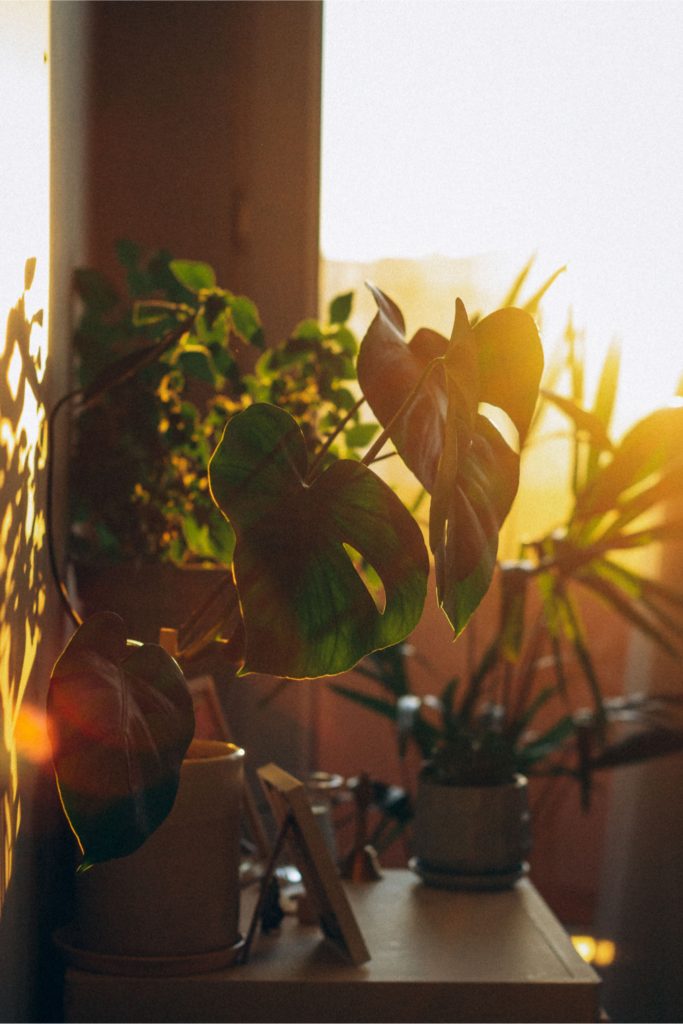
Let’s be honest — almost everyone has killed a plant at some point without quite knowing1 why. Maybe it got too much sun, maybe not enough water, maybe it just wasn’t built for our weather in the first place. Growing up in India, most of us didn’t grow up with a “plant guide.” Our weather doesn’t really play by the rules — blazing summers, months of thick humidity, and a monsoon that changes its mind overnight. What survives all that is a shorter, tougher lineup than you’d think — but once you know it, growing your own little green corner gets a lot easier.
Start here: Money Plant (Pothos) for the shady corners — it thrives on low light and forgives you for forgetting to water it for a week. Curry Leaf Plant for the sunniest spot you have — it wants heat, handles direct sun for hours, and pays you back in fresh leaves for your cooking. Aloe Vera if you’re someone who underwaters everything — it’s built for dry spells and actively resents being fussed over. Snake Plant for anywhere — low light, erratic watering, city pollution, it shrugs off all of it. And Tulsi if you want something that feels alive — it loves sun, bounces back fast after a good monsoon soaking, and will quietly reseed itself for next season without being asked. If you’re just starting out, pick one heat-tolerant plant and one low-light plant — together they’ll cover almost every corner of your balcony, whatever the weather throws at it.
How Much Sunlight Does Your Balcony Really Get?
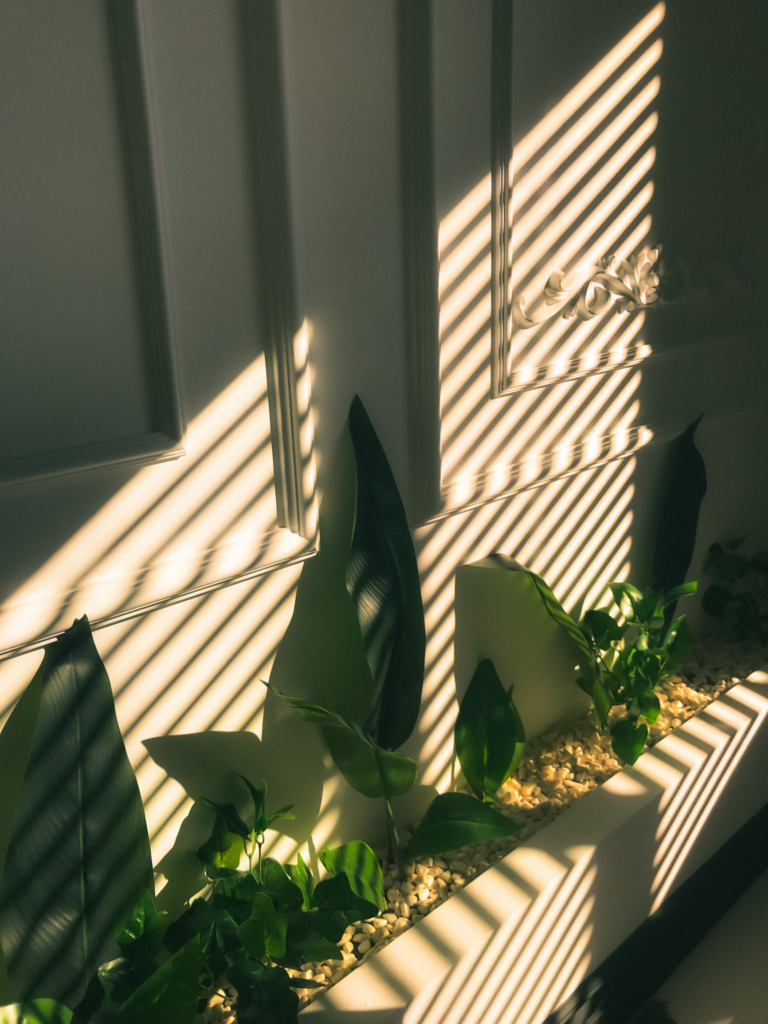
Almost every beginner overestimates their light. A balcony that feels bright when you’re standing on it having your morning chai might only get two real hours of direct sun — the rest is bounce light, shade from the building next door, or that one persistent shadow from the water tank. The good news is you don’t need an app or a light meter to figure out the truth, just five minutes of attention spread across a day. Place a sheet of plain paper wherever you’re planning to grow something, then check on it every hour from 9 AM to 5 PM, noting each time whether it’s sitting in direct sun or shade. By evening, add up the hours it spent in direct light — that number is the real answer, and it’s usually smaller than people expect.
Once you have your count, the plant choice mostly makes itself. 6+ hours means full sun, and you can grow tomatoes, chillies, or marigold. 3–6 hours is partial sun — ideal for herbs, leafy greens, and microgreens. Under 3 hours is low light, and that’s where money plant, snake plant, and pothos will actually thrive instead of just surviving. The beginner takeaway here matters more than any single plant pick: match the plant to your light, not the other way around. Almost every “my plant just died” story traces back to skipping this one five-minute test.